There is probably no fruit so beloved as the pineapple. Our desire for this tropical plant extends beyond its taste alone: Pineapples appear on our wallpaper, our clothes, on napkin rings and jewelry. And if you don’t have a brass pineapple-shaped knocker at your front door, well then you’re hardly in vogue. You’d think we couldn’t possibly obsess over pineapples any more—and yet, our modern-day love of this spiky fruit is nothing compared to the adoration it received from people hundreds of years ago.
The pineapple’s popularity started with its scarcity. These fruit, so common in tropical countries, only reached Europe and America around the late 1400s, when Columbus returned to Spain with the sweet and spiky anomalies, discovered during his Caribbean voyage. People were in awe of the golden yellow flesh, and so tried their hand at growing them. But only centuries later did Westerners finally manage to produce pineapples in hothouses.
Yet the continuing short supply ensured that pineapples were available to only the richest in society—including European royalty, who successfully elevated the fruit’s status. Pineapples quickly became hot commodities, and for centuries they were valued less for their taste than for their symbolism of wealth. It wasn’t until the early 1900s, when an American businessman named James Dole started growing pineapples on a giant plantation in Hawaii, that the fruit became populous: Dole at one time produced 75 percent of the world’s pineapples, turning these fruit into widespread commodities that most people could afford.
The pineapple’s status as a symbol of wealth and prosperity lives on, however—in no small part due to its history of reverence. Here’s how people shaped the obsession with the pineapples back in its high society heyday.
Fruitful displays
 Bill Ebbesen
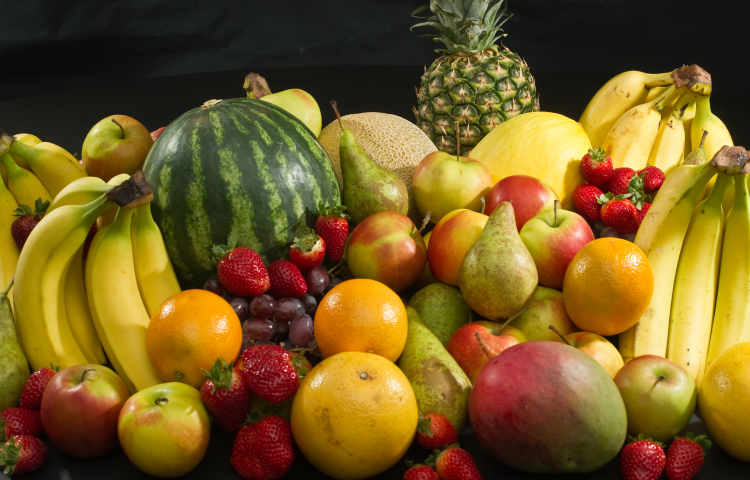
In 1700s America, at the height of pineapple fetishizing, you could buy one of these fruit for the modern-day equivalent of thousands of dollars—a cool $8,000 in fact. When prices were that high, there was no sense in simply eating the fruit. So people bought them first to display. Hosts at lavish parties would try to impress their high-society guests by making large, decorative table displays, at the center of which they’d place a kingly pineapple, giving the ultimate impression of wealth. The exotic fruit would surely get noticed by visitors, who would go home thinking more highly of their hosts.
Can’t buy it? Rent it
At such sky-high prices, most regular people wouldn’t dream of buying a pineapple—but they could afford to borrow its status for a little while. Thus, during the 1700s and 1800s, a parallel fashion began for pineapple renting. Merchants trading their exotic wares would lend the pineapples—for a fee—to less wealthy families who needed to put on airs for the day. Displayed in a home or literally carried around to parties like a high-status handbag, the fruit would give the intended illusion of wealth, helping a less prosperous family improve their social ranking.
Pineapple mania
With the pineapple’s growing status not just as a luxury item but also as a powerful symbol of hospitality and comfort, people began to use it as motif in their homes. Soon, pineapples were everywhere. As Hoag Levins writes in the Social History of the Pineapple, people made cakes and cookies in the shape of pineapples, and even assembled fruit arrangements into the form of pineapples too. Those who couldn’t afford the real fruit adorned every day items—like teapots, plates, gateposts, doorknockers, lamps and even roof turrets—with the enigmatic form, bringing a touch of luxury to their homes.
Bryan Burke
That in turn became the driver for our own modern-day obsession with pineapples. Today, these fruit have once again acquired a certain status—though thankfully they’re more affordable than they once were.