The Islamic State of Iraq and Syria’s (ISIS) goal to create a homogeneous state of Sunni Muslims has led to horrific ethnic cleansing in one of the most culturally and historically rich parts of the world—ancient Mesopotamia, the cradle of civilization. Not only does the group intend to slaughter thousands of innocent civilians, they aim to wipe out all remnants of their past in the process.
Archaeologists and historians are worried ISIS’ reign of terror will lead to the destruction of many cultural heritage sites in Iraq like the Tomb of Jonah, which was destroyed by the group in July. ISIS is mainly targeting Christian churches and Shiite mosques because these structures oppose their Sunni beliefs. After sites are destroyed, the group makes a fortune selling stolen artifacts pilfered from the ruins on the black market, netting the group over $36 million so far.
Cultural heritage sites still at risk include:
The Ziggurat of Ur
Excavated in the 1920s by Sir Leonard Woolley, the Ziggurat of Ur was constructed for the moon goddess Nanna in the 21st century BC under the Ur dynasty. Abandoned and in ruin by the 6th century BC, it was then restored by King Nabonidus.
Wadi-us-Salaam
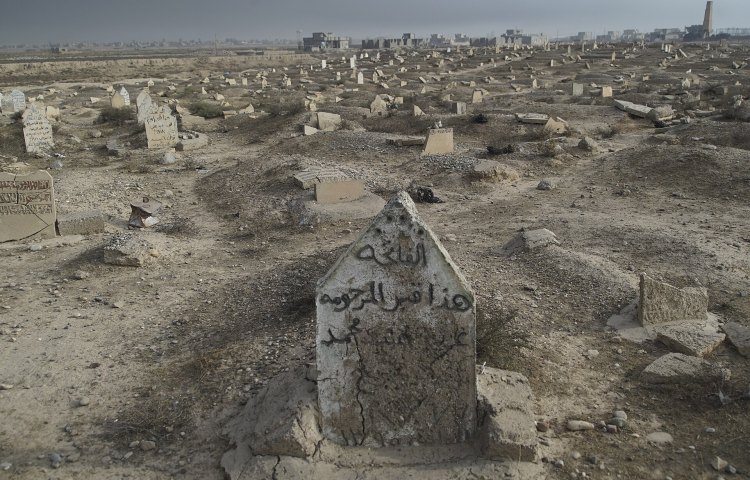
Located in the holy Shiite city of Najef, Wadi us-Salaam, which translates to Valley of Peace, is the largest cemetery in the world. Millions have been laid to rest inside its walls, and the cemetery holds a special meaning for Shiite Muslims who believe the souls of every Muslim will eventually rest there.
The Ishtar Gate
The Ishtar Gate, dedicated to the Babylonian god Ishtar, was built in the 20th century BC and was once one of the Seven Wonders of the World. Even though many of the bricks were excavated and taken to Berlin for reconstruction, the site of the gate is still of great importance. Saddam Hussein began a project to create a replica of the gate, but it has yet to be completed due to the Iraq War.
Khan Murjan
Built in the 14th century, the Khan Murjan is of great architectural importance because of its stylized arched halls, which were some of the earliest arches ever built. The building sat in ruin for over two centuries until being restored in the 1980s. It is now used as a restaurant and tourist destination.
The Imam Husayn Shrine
Built on the spot where the grandson of the Prophet Muhammad is believed to be beheaded, the Imam Husayn Shrine is one of the Shiite’s most holy locations. The shrine attracts millions of pilgrims every year.
The cultural heritage sites in Iraq threatened by ISIS are not just important to the people who makes pilgrimages to them—they are important to our world’s history as a whole.