On January 15, 1919, the streets of Boston’s North End neighborhood were covered in over 2.3 million gallons of molasses after a holding tank at the Purity Distilling Company ruptured, unleashing a 25-foot-tall wave of sweetener. Dubbed the Great Molasses Flood, this strange and seemingly improbable event killed 21 people and injured 150 more, most of whom were immigrant workers.
Molasses, the notoriously slow moving sweetener found in many cookie, cake and candy recipes, was America’s favorite sweetening product in the early 1900s. Besides being a common baking ingredient, molasses can be turned into rum, which is exactly why the Purity Distilling Company had a vat of over 2.3 million gallons of it at their North End factory.
Around lunchtime on that fateful January day, something went terribly wrong inside the factory causing the vat to explode. A massive wave of molten molasses moving at 35 miles per hour went roaring down Commercial Street, destroying everything in its path. The wave was so strong that it actually ripped a local fire station from its foundation, smashed freight cars and nearly derailed a train.
The resulting river of sticky amber syrup was nearly 300 feet long and about three feet deep, trapping people, horses and dogs in a quicksand-like sludge.
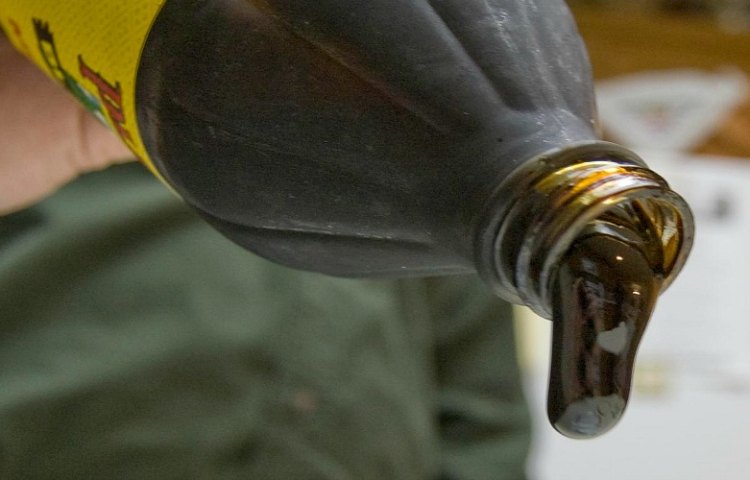
The Great Molasses Flood sounds whimsical at first, it is a flood of delicious sugar after all, however, molasses is actually a more dangerous substance in a flood situation than water. Unlike other liquids, molasses is a non-Newtonian substance, meaning it changes consistency when forces act upon it. For example, when molasses is stagnant it is goopy and thick. When a force acts upon it, like the vat exploding, the molasses acts more like a traditional liquid.
So, when the syrup was released from the vat it had a tremendous amount of force and heat acting upon it causing it spread quickly like water in a tsunami. Then, after it began to slow down and cool off, the consistency of the molasses turned into more of a sludge, creating a hard-to-climb-out-of muck that trapped everything it touched, according to Scientific American.
Despite countless lawsuits and court battles over the subject, to this day no one is certain what caused the vat to rupture inside the Purity Distilling Company or who is to blame for its malfunction. No matter who is to blame, the day will live on as a tragic, weird day in Boston’s long history.