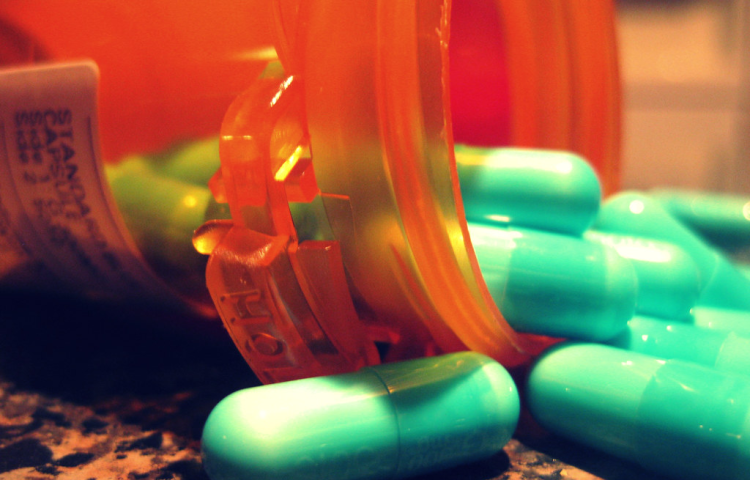
The drugs we take daily—Advil, Innopran, Prozac and the Pill—harm the marine life that forms the base of the aquatic food chain, and those effects could move right up the chain to us.
Luciane Alves Maranho of the Universidade Estadual Paulista in Sao Paulo, Brazil, exposed bristle worms—segmented critters that live in the oozy sediment on the bottom of a lake or ocean—to trace amounts of drugs prescribed for seizures, pain relief, heart conditions, depression and birth control. Maranho found that our common medicines changed enzymes in the worms’ central nervous systems and adjusted their cellular energy. The study appears in the August 2015 issue of Ecotoxicology and Environmental Safety.
Bristle worm Photo: prilfish
In humans, Maranho observed the effects of these drugs are linked with migraines, mental illness and Parkinson’s disease. And a USGS survey this year connected the ingredients in birth control pills to lower fertility in fish.
“With thousands of pharmaceuticals in use globally, they have the potential to have potent effects on wildlife and ecosystems,” Kathryn Arnold of the University of York told The Guardian last October. Arnold’s research examined the effect of medicines on birds scavenging in landfills. “Given the many benefits of pharmaceuticals, there is a need for science to deliver better estimates of the environmental risks they pose,” she said.
No evidence links human health to drugs contaminating our seafood or returning to our water glasses, the Environmental Protection Agency says on its website. But environmental changes, even to the smallest creatures like birds and marine worms, can move like ripples through the water to affect humans. Scientists use small animals like bristle worms to indicate the health of the larger environment since they form the base of the aquatic food chain in the mucky sediment. Mussels, clams, scallops, anemones, sea urchins, sponges, oysters, crabs and sea stars are all part of this deepest slice of marine life. And they are some of the aquatic animals we treasure most, in our aquariums and on our dinner tables.
“Many of the marine species affected by the pollution of coastal ecosystems are of commercial interest, and therefore, of interest to public health,” Maranho said. “However, current practices concerning consumption and discharge of [pharmaceuticals] in the coastal systems remain unchanged.”
Our medicines reach lakes, rivers and streams through our toilets in our urine or when we flush unwanted pills. No municipal sewage treatment plants filter water specifically for pharmaceuticals, according to the EPA.
Maranho hopes her research could improve regulations to prevent medicines contaminating the marine environment. “This study brings information that could be used in further environmental legislation concerning pharmaceutical products,” she said.
While we can’t control what our bodies eliminate before we flush, we can dispose of our pills differently to prevent those unused drugs from entering the nearby lake. The Federal Drug Administration recommends using community drug take-back programs or placing unwanted medicines in a sealable bag before placing them in the trash.