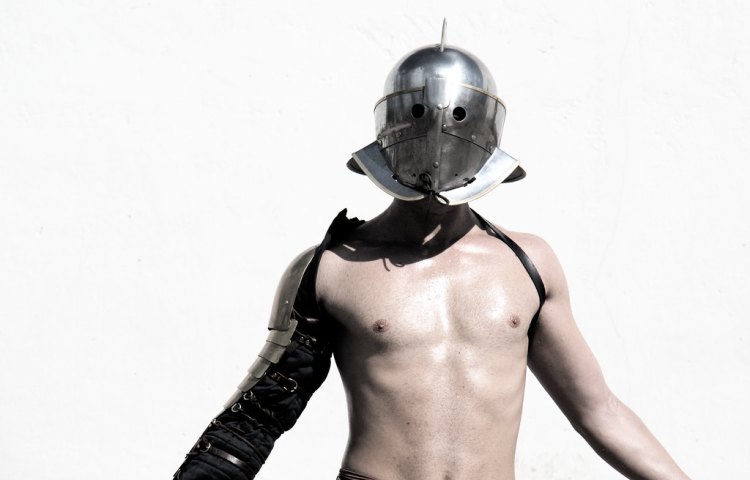
On the opening day of the Colosseum in 80 A.D., two conscripted gladiators entered the arena fully anticipating they could exit in defeat or even as a corpse. Instead, an incredibly rare thing happened: they both left the Colosseum as victors and, even more, free men.
The gladiators, whose stage names were “Priscus” and “Verus,” which translates to “Ancient” and “True,” promised a good fight for spectators as they were equally matched. Once the fight began, they battled fiercely but after a while, neither showed any sign of tiring or weakness. After a time, Emperor Titus stepped in to accelerate the fight and hopefully proclaim a victor. He ordered the two gladiators to set aside their shields and fight without protection until one of the men surrendered to the other by raising his finger.
What the Emperor didn’t expect was for the two gladiators to still be so equally matched that neither was a clear winner. Soon, because the gladiators had fought so valiantly, their fans each began chanting for missio, or to release each gladiator to walk out of the arena still alive. Things became even more complicated for Titus when the gladiators finally raised their fingers at the same time. What was an emperor to do? In his book Gladiators: Violence and Spectacle in Ancient Rome, Roger Dunkle explains:
The obvious intent of his [rule] had been to determine a winner, but the simultaneity of their requests for missio now allowed him to make a decision fair to both gladiators in recognition of their epic match. Titus pronounced the match a tie, declaring both gladiators winners with the presentations of palms, symbolic of victory. In addition, Titus granted missio in its ultimate form, a complete discharge from their service as gladiators…
What makes this gladiatorial account even more remarkable is because it’s the only complete account of a gladiatorial match that survives from the ancient world. Though we don’t know what happened to Priscus and Verus after the match, we can at least get a glimpse of what a gladiatorial battle looked like thanks to the lovely verses from the Roman poet Martial:
Priscus and Verus, while with equal Might,
Prolong’d an obstinate and doubtful Fight,
The People, oft, their mission did desire;
But Caesar from the law would not retire,
Which did the Prize and Victory unite,
Yet gave them what Encouragement he might;
Largess of Meat and Money did bestow,
Which also ‘mong the People he did throw
I’ the’end, howe’er, the Strife was equal found,
Both fought alike, and both alike gave ground:
So that the Palm was upon each conferr’d,
Their undecided Valour this deserved.
Under no Prince before we e’er did see
That two should fight, and both should Victors be.