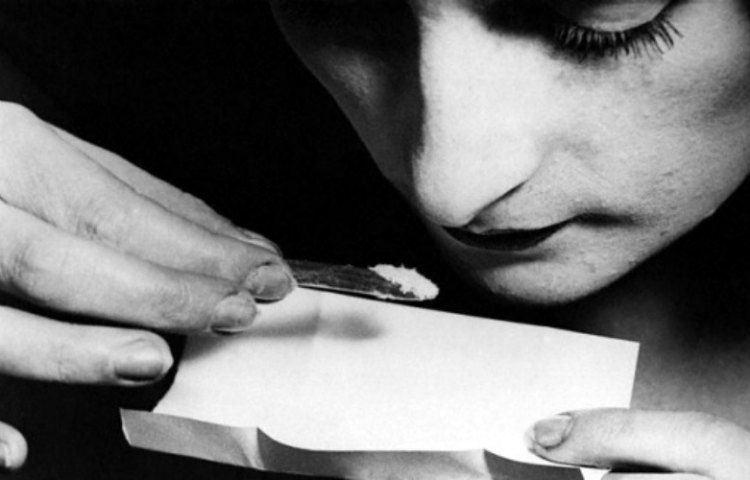
Benzoylmethylecgonine. Foo foo. Icing. Coke. Cocaine is known for its zippy, euphoric properties…but could it have inspired one of America’s greatest works of literature? That’s right: it’s possible that Robert Louis Stevenson’s The Strange Case of Dr. Jekyll and Mr. Hyde, that classic tale of two personalities, might have been written while on an epic six-day coke bender.
Robert definitely indulged in coke, but not necessarily for the rush. He was a lifelong invalid who managed to piece together a vagabond’s adventurous life despite a chronic cough and repeated bouts with what appeared to be tuberculosis. Cocaine was just one of the many drugs used to dull his pain and maintain some semblance of health. It was actually used frequently for medicinal purposes in the 19th century and turn of the century.
In 1885, after a doctor prescribed cocaine for a hemorrhage, Robert fell into what appeared to be a fitful dream. When his wife Fanny awoke him, he lashed out, accusing her of waking him from a “fine bogey tale.” It must have stuck with him, for the next day he began to write—and write—and write.
Historians aren’t entirely sure if his manic output was fueled by creativity, cocaine or both. He wrote for three days, then asked for Fanny’s opinion. When she suggested that the story was too allegorical, he threw it in the fire, picked up his pen, and began to rewrite the story. Three days later, he was done with his masterpiece, Dr. Jekyll and Mr. Hyde.
“The amount of work this involved was appalling,” his wife recalled. “That an invalid in my husband’s condition of health should have been able to perform the manual labour alone of putting 60,000 words to paper in six days seems incredible.”
Cocaine or just creative mania? Either way, it’s possible that cocaine made its way into Robert’s novella, a book that has even been written about by psychologists as “a primer on substance dependence.” After all, when Mr. Hyde drinks the mysterious potion that turns him into a psychotic killer, he refers to symptoms consistent with quite the coke high. And while we may never know if coke was Robert’s muse (or ergot, or morphine, or any of the other substances he’s been credited with imbibing), his writing spree has become the most famous coke bender in literature.